News
⚠️ Yellow Dust Alert: Japan Braces for Major Dust Cloud (April 21–22)
A
aravinda
4/21 1:20 PM
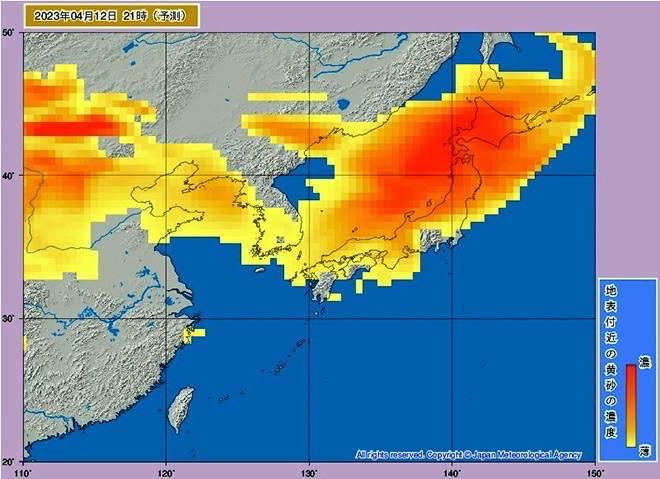
The Japan Meteorological Agency (JMA) has issued an alert regarding a massive cloud of Yellow Dust (Kosa) originating from the Gobi and Taklamakan deserts.
The dust is expected to blanket large parts of Northern, Western, and Eastern Japan starting today, Tuesday, April 21, through Wednesday, April 22, 2026.
This phenomenon is being carried by a low-pressure system moving across the archipelago, bringing significant amounts of mineral particles and pollutants from mainland Asia.
🌫️ Key Impacts to Expect
• Reduced Visibility: Visibility is expected to drop below 10 km in most areas. In some regions, it may fall below 5 km, which could lead to significant delays in flight operations and highway transport.
• Air Quality: The concentration of fine particles (including PM2.5) will rise, creating a hazy, yellowish sky and a "gritty" feel to the air.
• Environmental Deposits: Dust will settle on almost all outdoor surfaces, including buildings, laundry, and vehicles.
🏥 Health & Safety Advice
Health experts and authorities recommend the following precautions, especially for the elderly, children, and those with pre-existing conditions:
1. Wear High-Quality Masks: Use "Non-woven" (Fushokufu) masks when going outdoors. They are more effective at filtering fine dust particles than cloth masks.
2. Dry Laundry Indoors: Avoid hanging clothes outside (Heya-boshi is recommended). Dust particles trapped in fabric can trigger skin irritation or allergies later.
3. Keep Windows Closed: Ensure windows in your home and vehicle are tightly shut. Set car air conditioning to "Recirculate" mode.
4. Protect Your Skin & Eyes: If you have sensitive eyes, consider wearing glasses instead of contact lenses to prevent irritation from grit.
5. Wash Vehicles Carefully: If your car is covered in dust, do not wipe it with a dry cloth, as the silica particles will scratch the paint. Rinse the car thoroughly with high-pressure water first.
📍 Regional Outlook
• Western Japan (Kyushu/Chugoku): Heavy concentration starting early Tuesday.
• Central & Eastern Japan (Kanto/Tokai): Impact increasing through Tuesday afternoon and peaking on Wednesday.
• Northern Japan (Hokkaido/Tohoku): Visibility issues expected as the system moves north.