News
Swimming visitors have fallen nearly 90% in 40 years as pools gain popularity
A
Aravinda Wijesinghe
8/12 8:20 AM
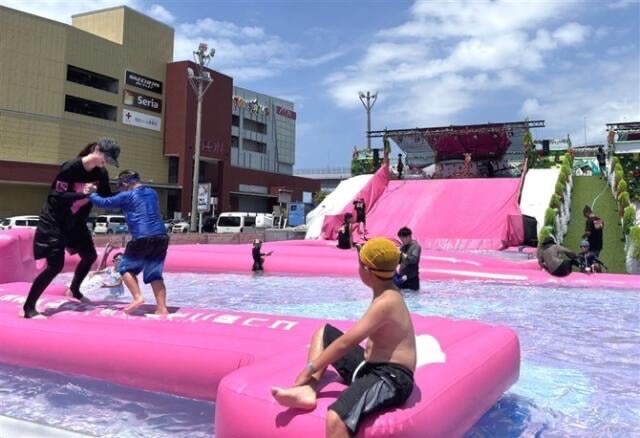
🏖️ Japan’s traditional summer beach culture is changing dramatically.
According to leisure industry data cited by Nishinippon Shimbun, only about 4.4 million people went sea bathing in 2024, representing an 88% decline from the 1985 peak. The number of swimming beaches across Japan has also fallen by roughly 30% over the past three decades.
The decline is not simply about changing tastes.
☀️ More intense summer heat has increased concerns about sunburn and heatstroke.
🌊 Families are increasingly conscious of drowning and other water-related risks.
🏊 Pools offer controlled water depth, shade, indoor facilities and easier access.
🛍️ Some temporary pools are even being built beside shopping centres, allowing families to combine recreation with everyday activities.
This shift can also be seen in Beppu.
Suginoi Hotel’s seasonal Aquabeat pool has been performing strongly, with visitor numbers reportedly around 2% higher than last year. Its indoor facilities are particularly attractive to families with children, young people and older visitors who want to avoid prolonged exposure to extreme summer heat.
At the same time, seaside businesses are adapting. At Hamasaki Beach in Saga Prefecture, one beach-house operator says around 80% of customers now come mainly for barbecue, while only about 30% actually enter the sea.
This suggests that Japan is not necessarily abandoning coastal leisure. Instead, the way people spend summer is changing.
Convenience, safety, shade and protection from extreme heat are becoming more important than the traditional idea of simply spending the day swimming at the beach.
Japan’s hotter summers may continue to reshape where families choose to spend their holidays and how coastal businesses survive.